

Changed
Changed
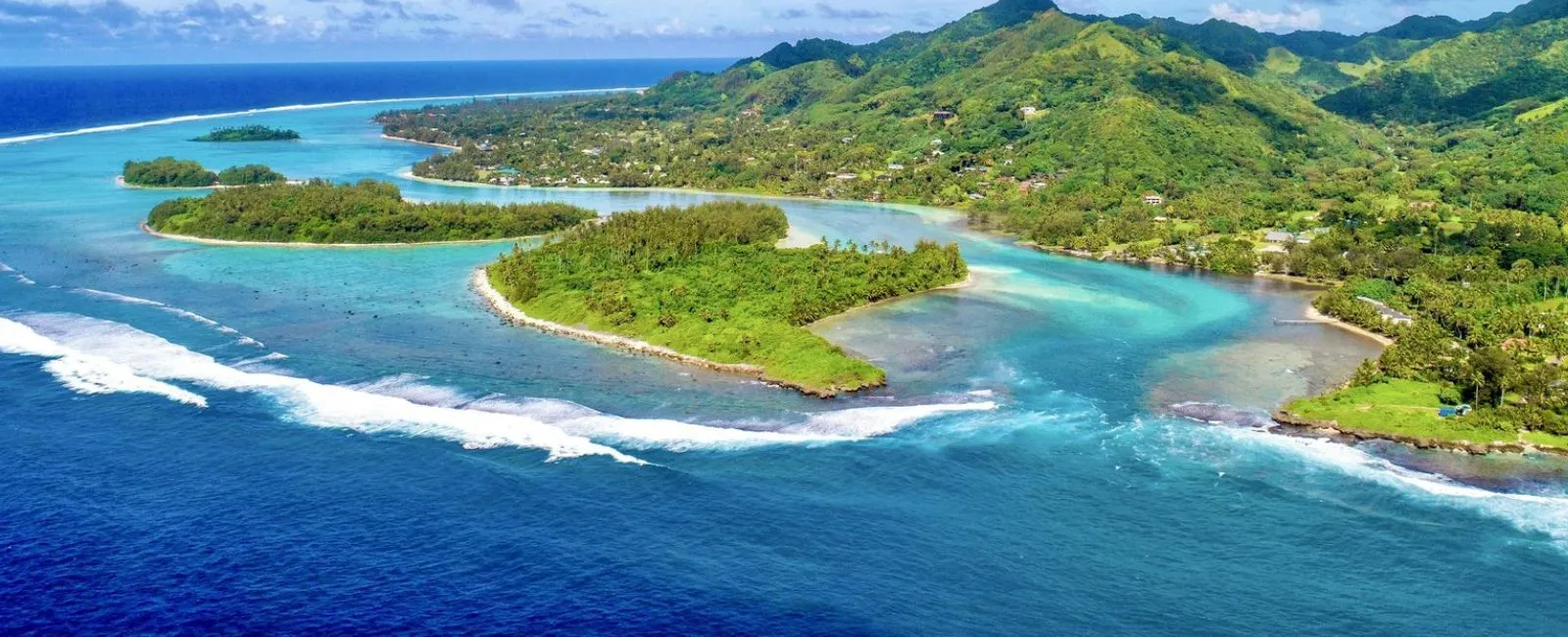
There’s something about growing up in Australia and thinking about holidays. We tend to assume you need to fly to the other side of the world to truly switch off.
But those instincts overlook what’s sitting much closer to home. Places that are easy to reach, yet feel worlds away.
The Cook Islands are a case in point.
Just a six hour flight from Brisbane – barely enough time for binge watching your favourite series – and you’re wheels down in the Pacific.
If you’re not across this holiday-haven, the Cook Islands (15 small islands to be precise) are located between Samoa and French Polynesia, best defined by their pristine beaches and volcanic peaks with a strong sense of culture threaded through daily life.
Read on to discover how to explore The Cook Islands – you might need it since this group of islands is scattered across two million square km of the South Pacific (that’s three times the size of Texas for context!).
First up, you’ll need to choose your island base.
Rarotonga is the main hub and where most travellers begin. It’s home to the international airport and offers the widest range of accommodation, from beachfront resorts to private villas.
The island is small enough to circle in about 45 minutes, but the list of things to see and do here far belies its size.
Most travellers enjoy a couple of nights on Rarotonga and then add Aitutaki to their itinerary to bookend the trip. Aitutaki’s lagoon is the drawcard, where water shifts through shades of blue like a vibrant colour wheel.
Split your time between the two islands – a short, direct 40- to 50-minute flight connects the two - and you’ll get a well-rounded taste of The Cook Islands.
The beauty of the Cook Islands is that you don’t need a packed itinerary. In fact, you don’t need an itinerary at all.
Slowing down IS the experience – and doing nothing is what 150,000+ visitors come to experience each year.
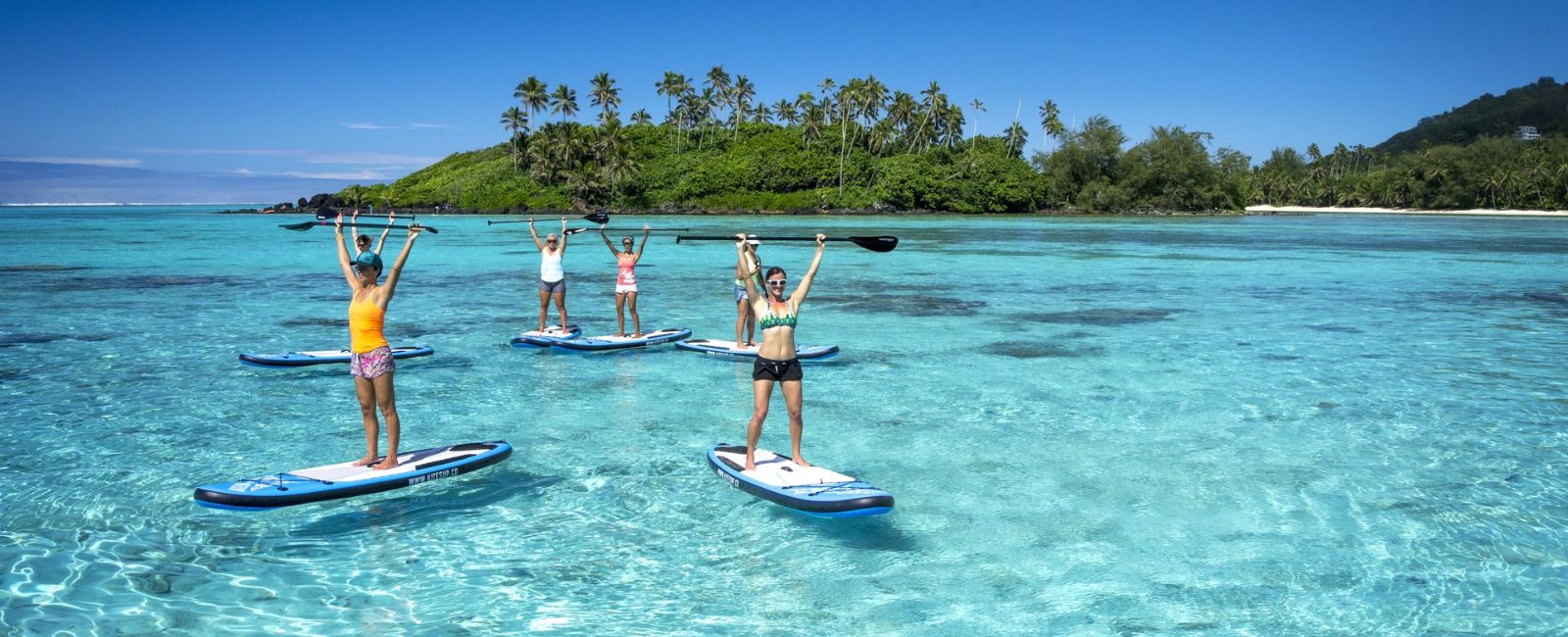
Days are often spent in the water, with snorkelling, paddleboarding and kayaking all easy to organise. The lagoons are calm, warm and ideal for long stretches of wallowing in nature’s float tank.
If you’re keen to be more active, Rarotonga has several hiking tracks. The cross-island trek to The Needle is the standout, though best suited to experienced walkers with steep sections.
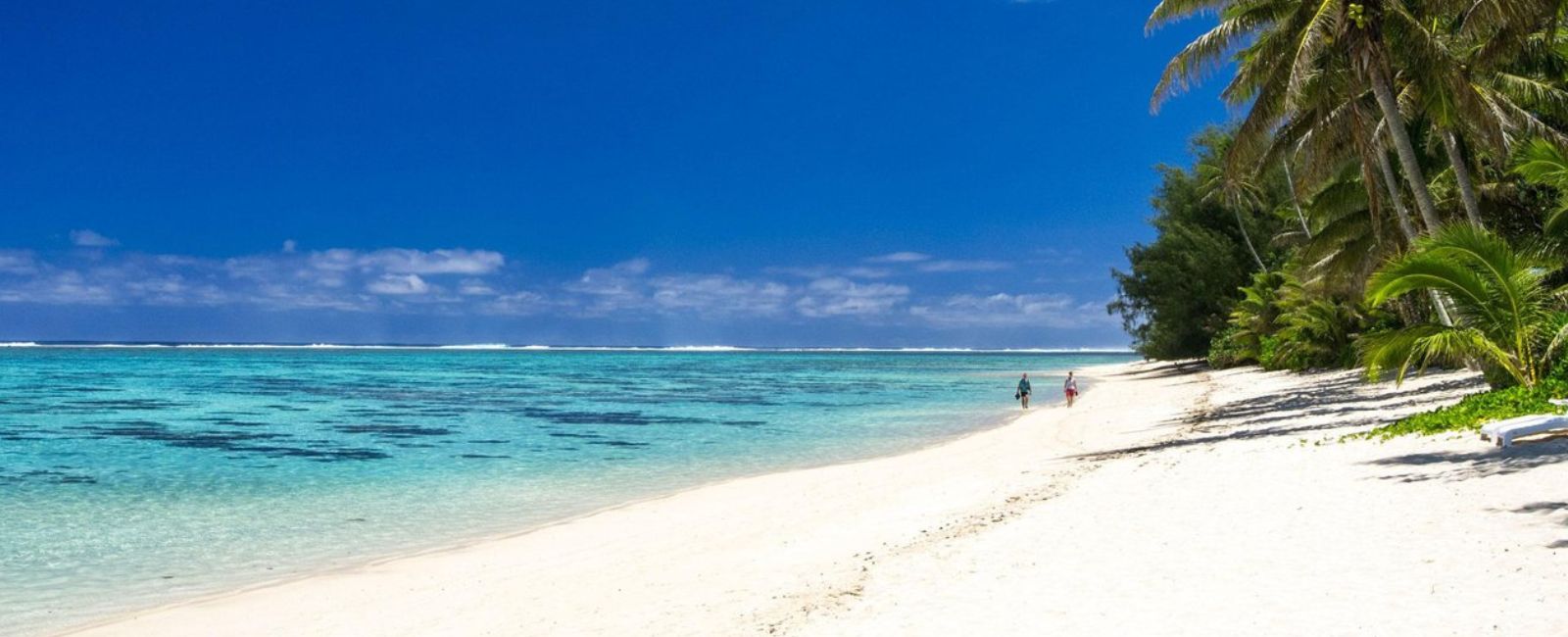
Back at sea level, beaches are the main event. On Rarotonga, Black Rock Beach is a favourite, especially at sunset for sweeping views of the island.
Between days of doing nothing at your resort and exploring the spoils of the islands, it’s also worth taking time to connect with local culture. The best way? Follow the rhythm of the drums to an island night at your resort – expect music, dance and traditional food.
Forget map-reading stress. The islands are easy to navigate by car or scooter (available for hire), or for those on public transport – a clockwise and anti-clockwise bus that circles the island.
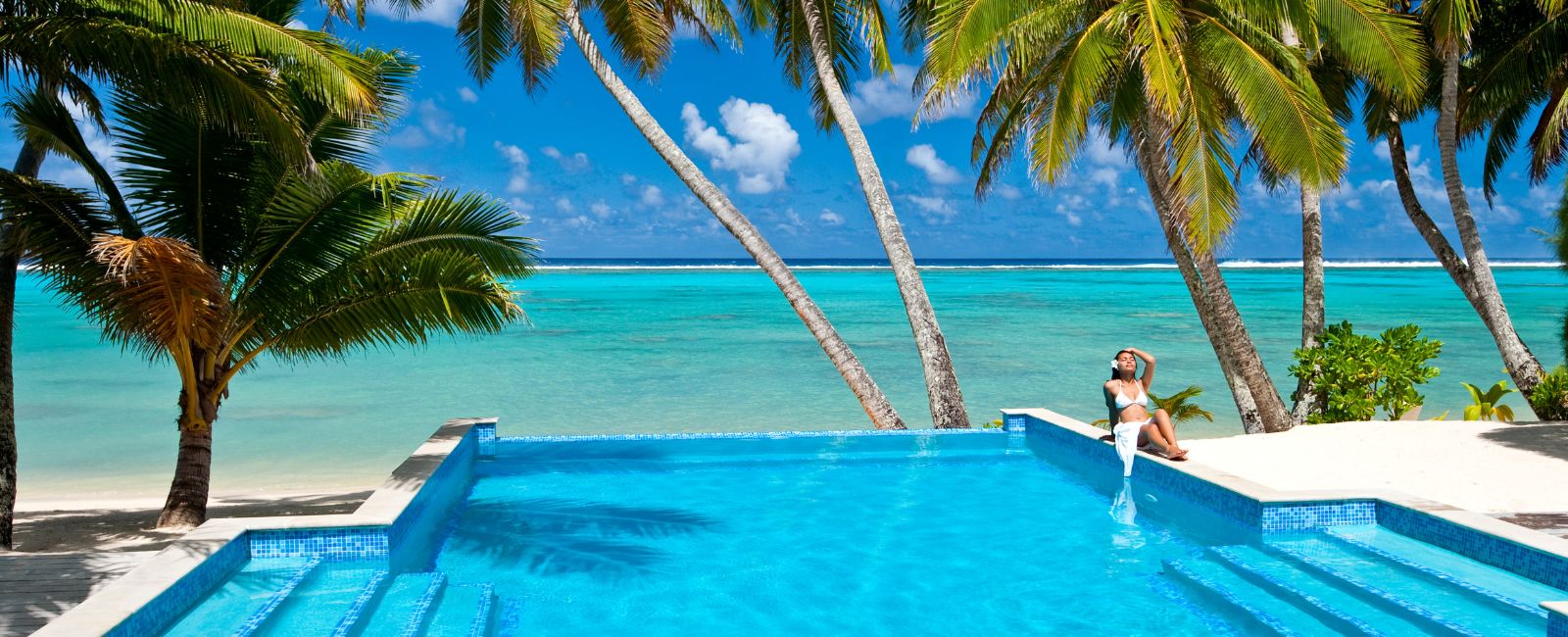
Let’s be honest, you won’t ever need a jumper here. Swimmers and a sarong are the order-of-packing-business 12 months a year – The Cook Islands are a year-round destination, with warm, humid conditions throughout.
For the best chance of clear skies, aim for the drier months between June and August. If you’re travelling outside that window, don’t be put off. Rain tends to fall in short bursts, often in the early morning or late afternoon and rarely disrupts a full day of exploring or cocktail sipping.
This is a place that encourages you to slow down. There are no high-rise buildings, no traffic lights and very little urgency.
In contrast to days at home, life unfolds at its own pace and that’s the beauty – small moments of stillness that offer space to breathe. It also helps that the Wi-Fi is patchy. Leave the laptop at home and call it a digital detox.
The fact The Cook Islands has far fewer visitors than tropical competitors like Bali and Fiji makes it all the more desirable for those chasing tropical life without the crowds and commute.
Learn a local greeting. “Kia Orana” goes a long way
Pack polarised sunglasses. You’ll spend plenty of time looking at the water
Bring reef-safe sunscreen. UV levels are high and prices locally can be steep
Try the local food, especially ika mata (raw fish) and dishes featuring cassava
New Zealand dollars are used. Cards are widely accepted, but keep cash for markets and smaller vendors
Don’t forget mosquito repellent, particularly for early morning and evening
Make like a local and head to the Muri Night Market for dinner. Choose from the various food trucks, stalls and stands. Note: cash is king here
Reef shoes can be useful in certain spots – not all creatures are friendly
Flight time is approximately 6 hours