
Changed
Changed
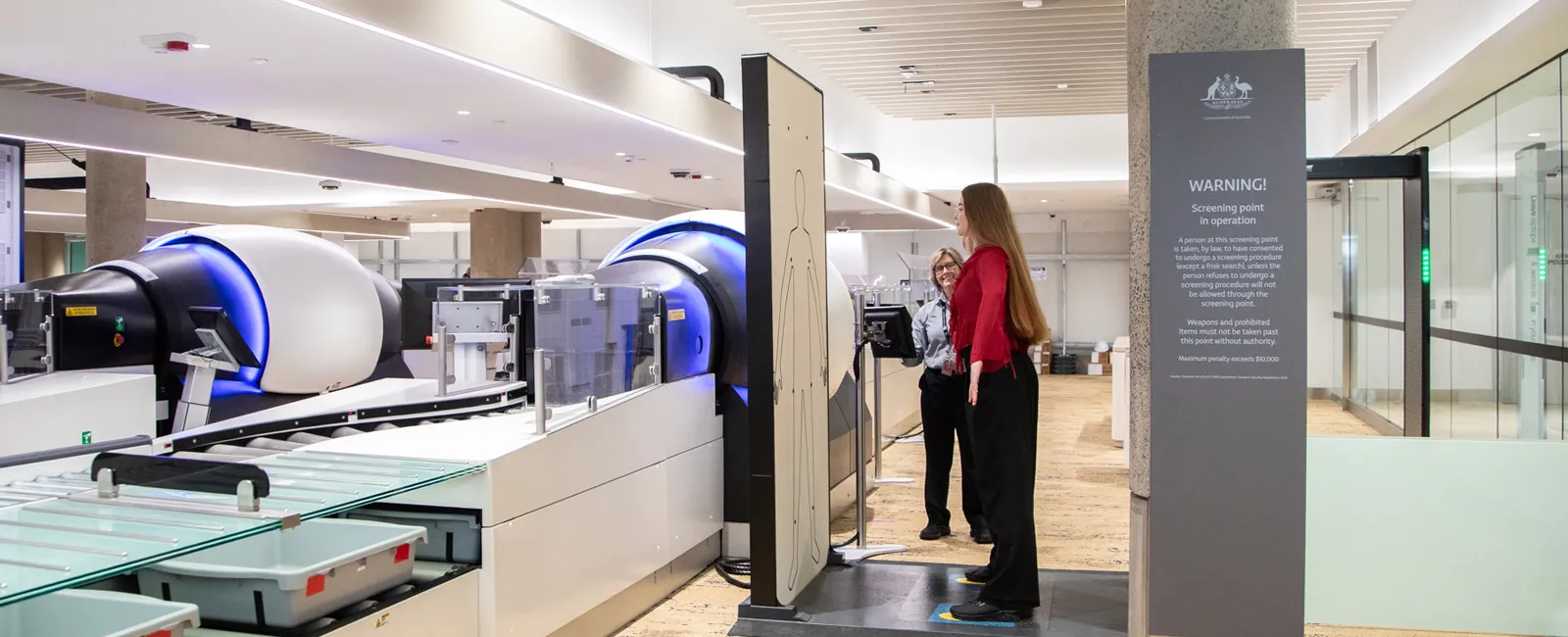
Passengers travelling through Brisbane Airport are enjoying a new security screening experience, thanks to the installation of state-of-the-art equipment throughout the Domestic and International Terminals.
As part of ongoing Future BNE initiatives, this $500 million overhaul streamlines the security procedure, eliminating the need for passengers to unload their cabin baggage, while also enhancing threat detection capabilities.
In alignment with the Australian Federal Government's 2017 mandate to enhance aviation security, Australian airports were tasked with implementing new ‘standard three’ security equipment to meet global standards already active in the United States and Europe. To fulfil this directive, Brisbane Airport has partnered with Rapiscan Systems, a global leader in security solutions, to introduce new cabin baggage screening equipment, advanced body scanners, and a comprehensive inline checked baggage system.
We spoke to Chris Morse, Senior Project Manager at Rapiscan, about what passengers can expect with the new equipment.
“We’ve moved away from two-dimensional imaging and applied three-dimensional imaging, which allows operators to find more threats and provide a greater security outcome. The scanner technology brings with it 3D X-ray images similar to a medical CAT scan, allowing security officers to rotate and slice through X-ray images and ultimately reduce the need for manual bag search,” Chris said.
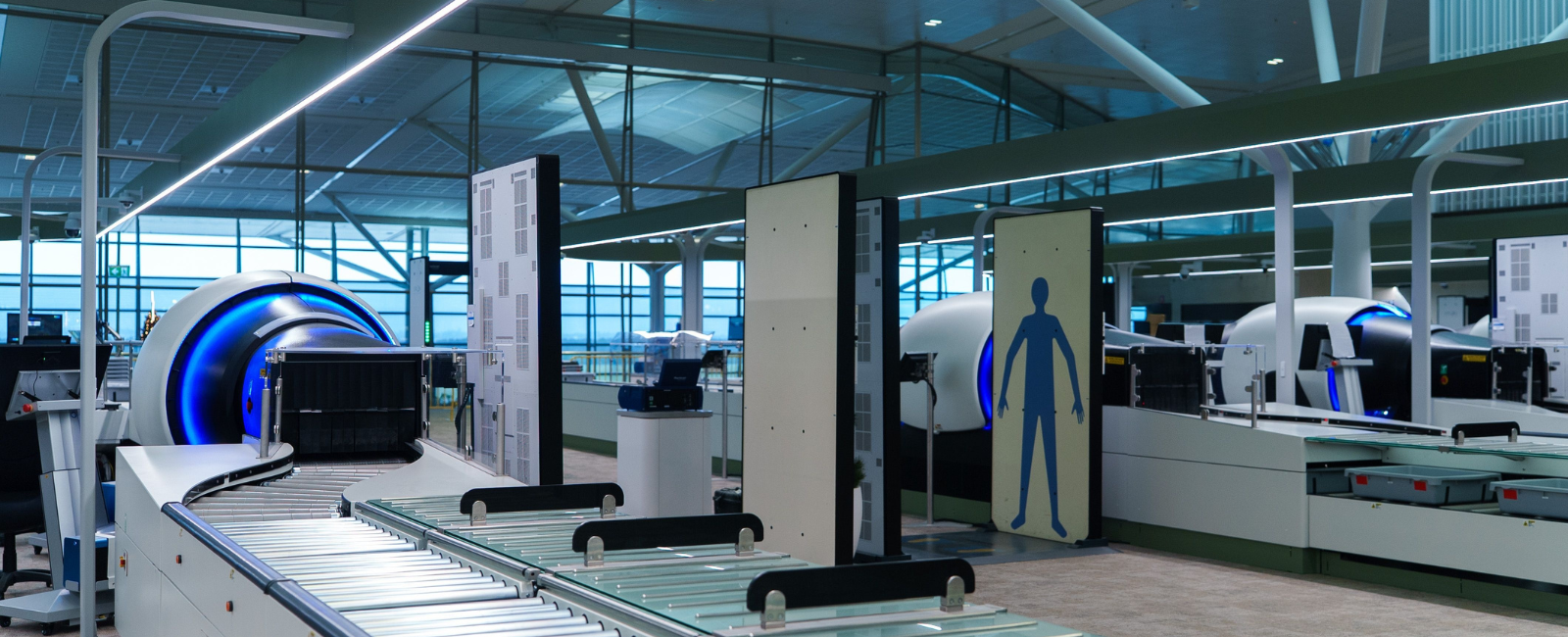
This includes 920 CT X-ray cabin baggage screening for passenger lanes, new body scanners and the RTT 110 checked bag screening system operating underneath Brisbane Airport for cabin baggage.
The Domestic Terminal alone features 17 lanes for cabin baggage with another 4 checked baggage lanes that feed into the new central baggage system.
“The system offers the latest modern technology, in line with the biggest airports in the world and is much more automated, providing faster and safer travel.
“Previously, we could only accommodate about 200 people an hour through each passenger lane. With the new system installed we can process around 325 passengers an hour,” Chris said.
Nadine Delile, Security Compliance Manager at Brisbane Airport oversaw the installation and explains the benefits to passengers.
“Excitingly, this new equipment means passengers can leave a lot more items in their bags, like their laptops as the scanners can see straight through.
“Similarly, all eligible passengers are screened using the new body scanners that can detect metallic and non-metallic items concealed on a person’s body, and improve the detection of threat items, whilst lowering the probability of false alarms,” Nadine said.
The scanners use non-ionizing millimetre wave technology, similar to the reverse parking sensors on a car, and are completely safe for all passengers, including those with pacemakers.
“The body scanners ensure quicker processing by minimising the need for rescreening, thus reducing wait times and congestion,” Nadine said.
Another notable feature of the 920 CT cabin baggage system is its automatic tray return system, designed to further expedite transit.
Chris elaborates on how this enhancement will streamline the process – "instead of items being pushed along rollers, everything is placed in a tray and transported automatically. With this upgrade, passengers simply place their belongings in the tray and retrieve them at the end of the screening process," Chris explained.
As part of the upgraded security experience, Brisbane Airport now offers a direct entrance from the Skywalk to the Domestic Terminal for passengers with only carry-on.
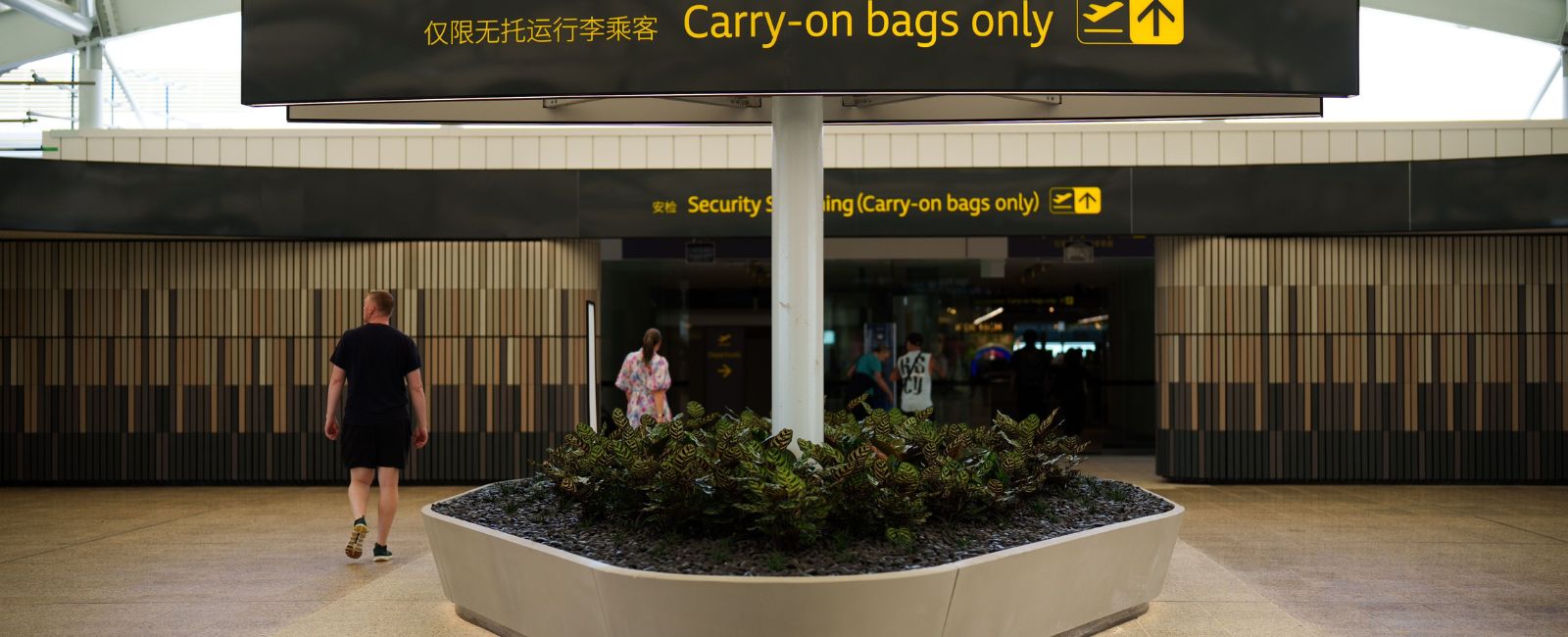
With new screening technology now fully operational across both terminals, a few small changes can help passengers move through security even more smoothly.
Domestic Terminal tips
International Terminal tips
At the body scanner (both terminals)
For more travel tips, check out our guide for a smooth-soaring journey.