
Changed
Changed
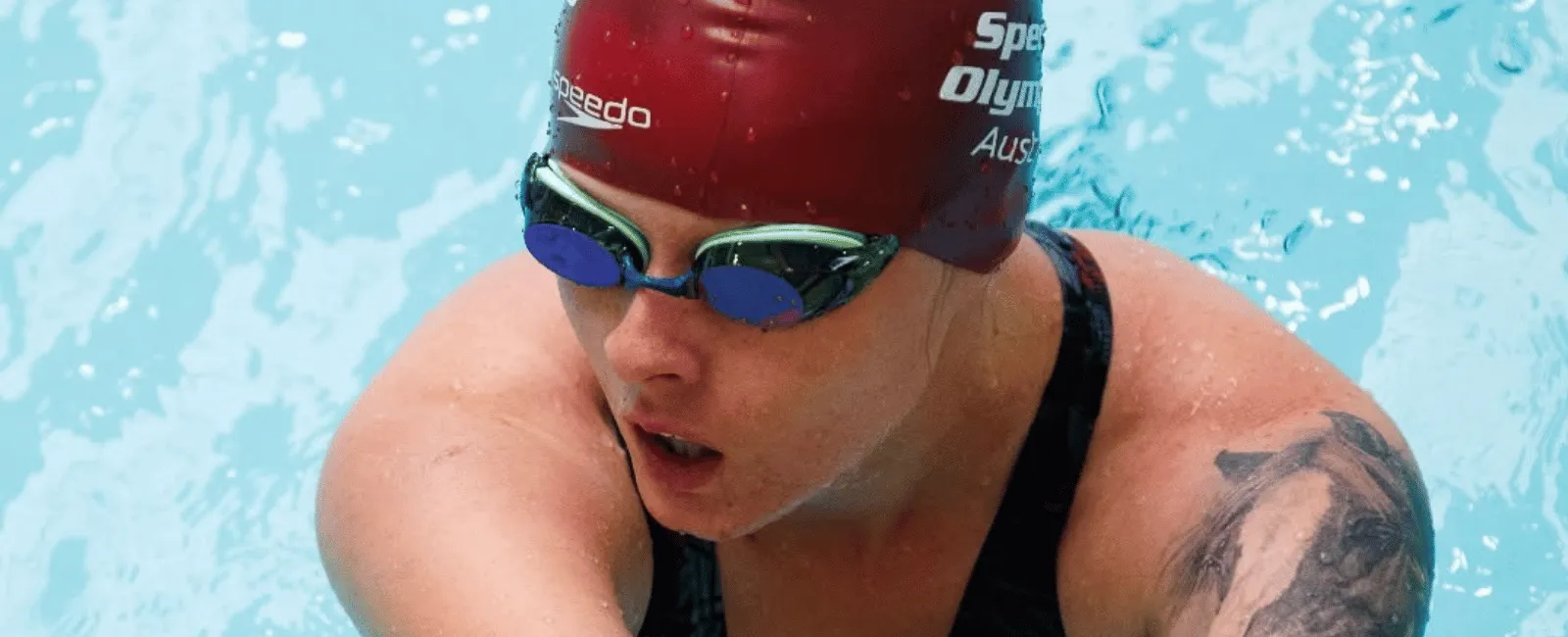
Sport is an Australian pastime for all ages, where athletes build teams, those teams become friendships and the friendships form a supportive lifelong community.
Special Olympics Australia is part of a global sport program that has been providing 50 years of inclusive sport and leadership for athletes of all ages in Australia with intellectual disability and/or autism.
For Special Olympics, it’s more than playing a sport and competing. Inclusiveness is at the heart of all their grassroot programs, leadership, national sport training and competitions. No matter what a person’s ability in sport or age, they are welcome to try something that interests them.
Special Olympics Queensland supports more than 800 athletes across 10+ clubs, with 350 volunteers delivering year-round sports training, competitions and leadership opportunities. Athletes typically train and compete weekly, often in multiple sports, with opportunities to progress to State, National and international competitions.
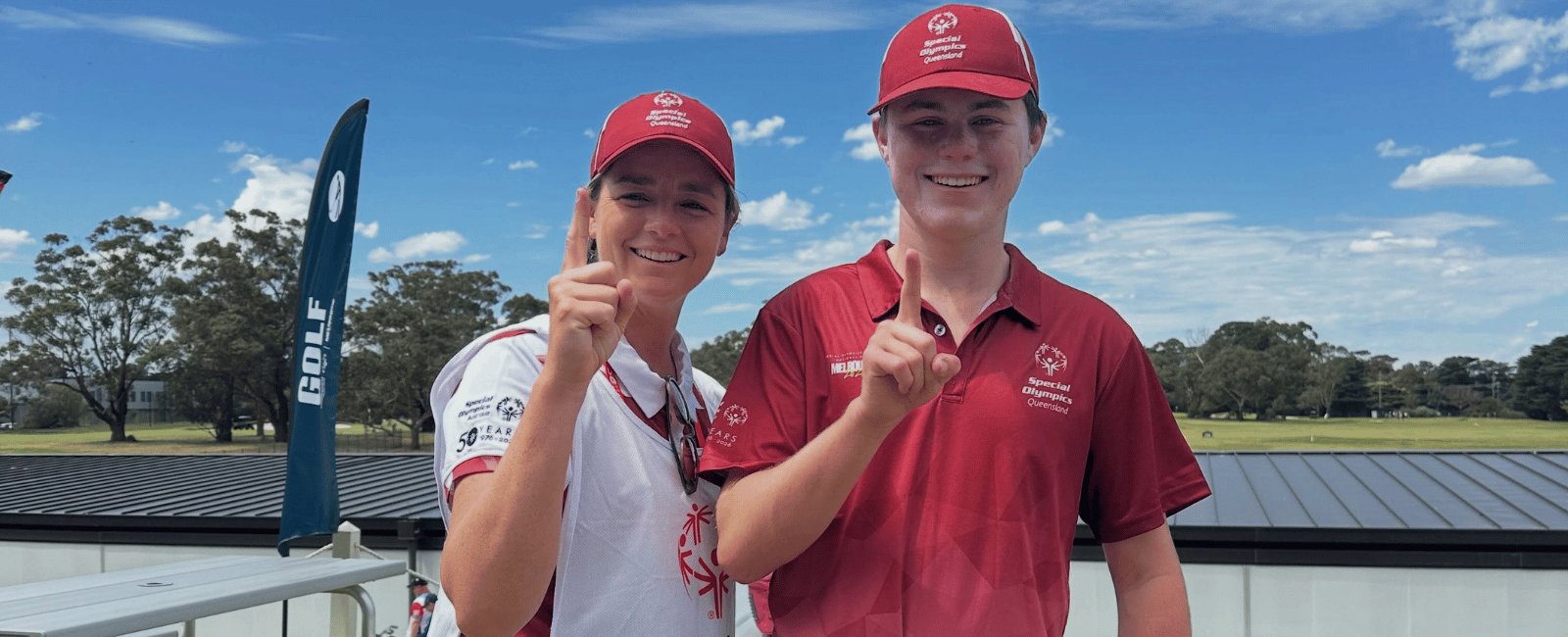
Beyond its competition training programs, State Manager for Queensland and Northern Territory, Kim McDonald-Wilkes, says Special Olympics Queensland also collaborates with sporting organisations across the state to deliver year-round programs supporting more than 1,000 athletes.
These include early childhood programs for children aged two to eight, where young athletes develop fundamental sporting skills such as running, jumping and catching, while learning the value of teamwork.
As recipients of Brisbane Airport’s Community Giving Fund for Community Sport, Special Olympics Queensland spent months preparing its team of 197 athletes and 58 volunteer officials to compete at the National Games in Melbourne in October 2026.
Delegates and their community of supporters cheered on Team Queensland and celebrated the hard work put in year-round to compete and qualify for sports ranging from basketball, golf, swimming, table tennis and gymnastics.
Over 68 of this year’s athletes, ranging in age from 14 into their 60s, competed in their first ever National Games and are hoping to qualify to represent Team Australia at the Special Olympics World Games in Santiago, Chile in 2027.
Through the generosity of the Community Giving Fund grant, Special Olympics Queensland support athletes before the Games through extra training opportunities, travel to the Team Queensland camp for coaches and teammates to meet in-person, modified equipment and team uniform kits for all delegates attending the event in Melbourne.
In addition, during competitions such as National and World Games, travel, accommodation and healthy food expenses rely on sponsorships like the Community Giving Fund.
“Our state team will take part in 11 sports at National Games. You can imagine logistically a team that size, we had several full team meetings,” says Kim.
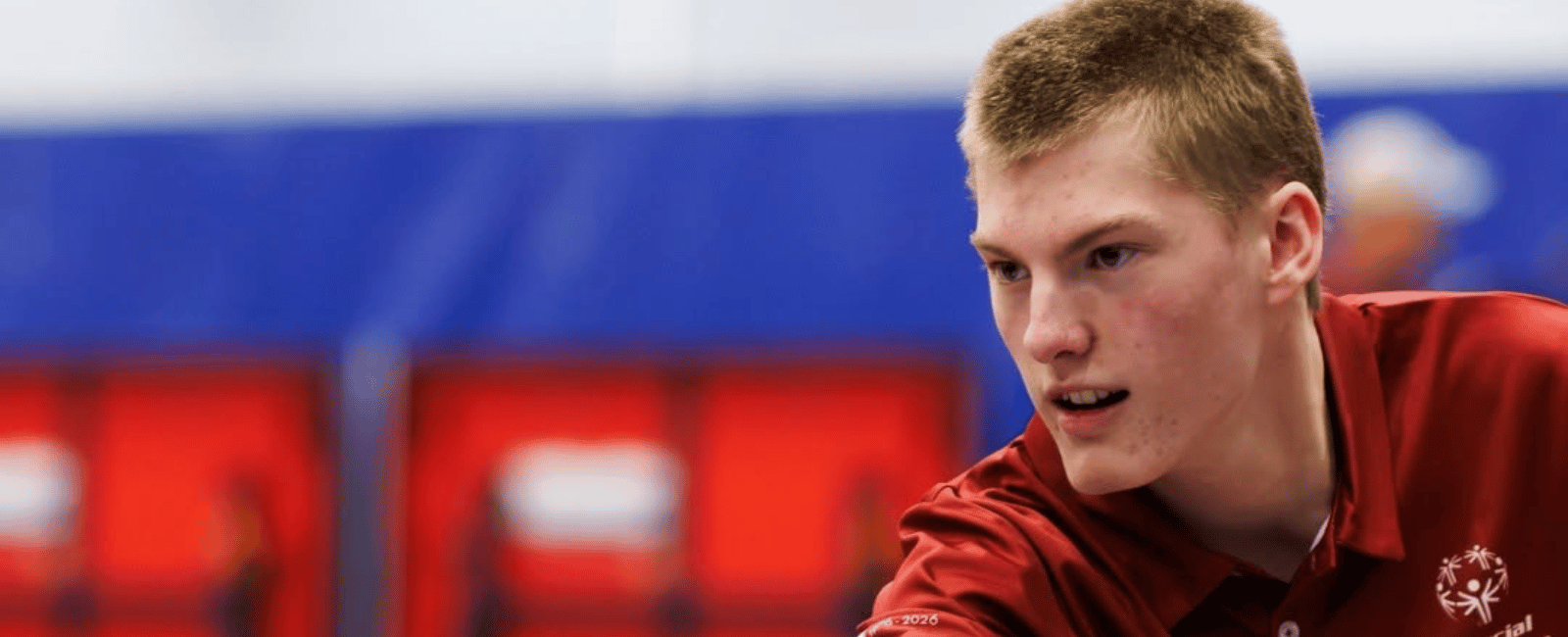
Following the National Games, the hard work continues.
“The majority of our athletes are multi-sport athletes. Everyone will just keep competing and training and gearing up for the next State Games, National Games and World Games. We run 365 days a year,” says Kim.
Some athletes may consider themselves retired from their sports after the Games and stay with Special Olympics to participate in athlete leadership pathways that “…takes them through a mentorship program to learn to become speakers, broadcasters, and photographers. Any role a staff member or volunteer can do, an athlete can do,” explains Kim.
Just like the Brisbane Airport Community Giving Fund that provides cash grants to community groups working hard to make Brisbane a better place, Special Olympics Queensland invites the community to be a part of the next 50 years of inclusive sport.
Community support plays an important role in shaping a more inclusive future for Queensland athletes with intellectual disability and/or autism. From parents cheering on the sidelines and coaches volunteering their time to mentor and train athletes for competitions, to supporters sharing and celebrating their achievements on @specialolympicsqld, every contribution makes a difference.
“I started off as a volunteer before I became staff. It’s definitely rewarding,” says Kim, “You'll learn far more from the athletes, then they will reach you. We like to say we're a sticky organisation. Generally, when people get involved, they stick around.”