



Changed
Changed
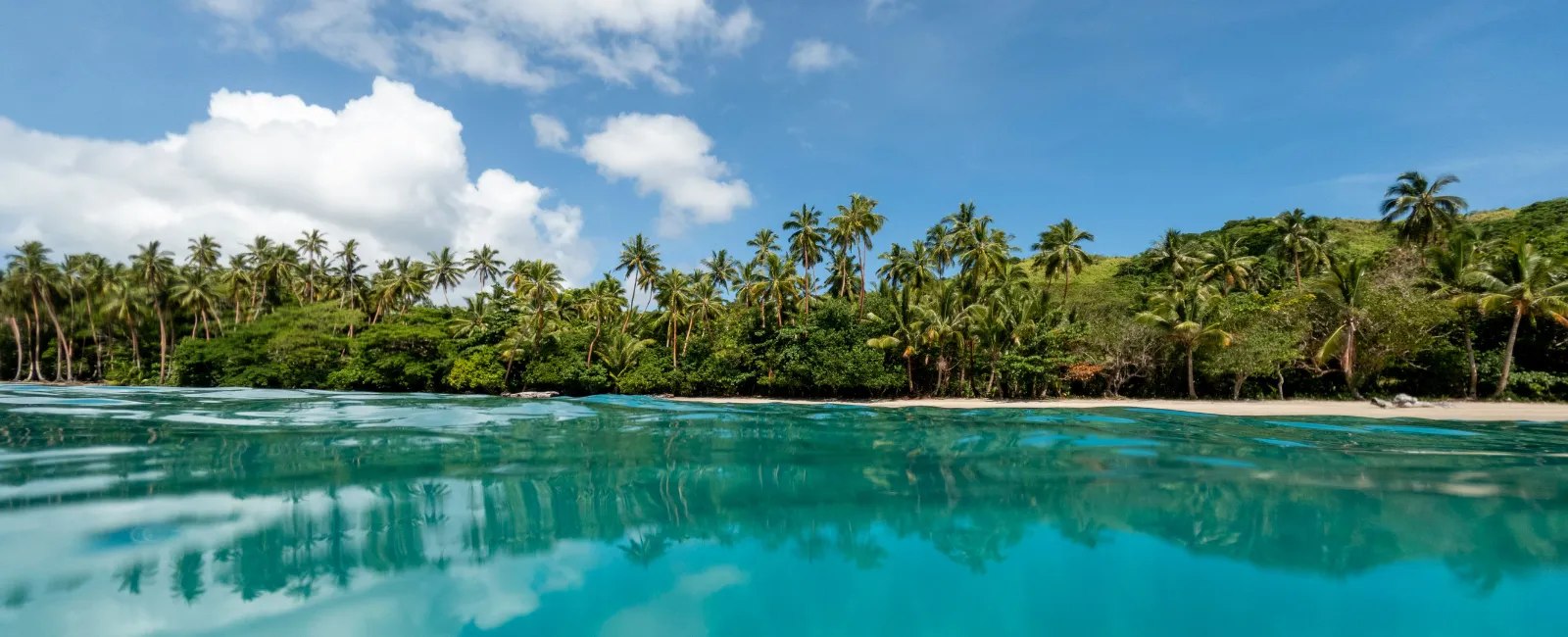
A Fiji holiday is as easy as throwing your favourite thongs, linen beach shirt and sunnies into a travel bag and pressing 'book now'. Just over a 3.5-hour direct flight from Brisbane, you'll barely finish two movies before swapping your seatbelt for a Bati Rum cocktail. From soft white sand and turquoise water to vibrant coral reefs, surf breaks and rainforest adventures, Fiji makes it easy to be as active or as relaxed as you like.
Home to more than 300 islands, Fiji offers far more than you can squeeze into a single trip. Rather than trying to see it all, embrace the excuse to come back. Each island has its own mix of culture, landscapes, food and experiences waiting to be discovered.
If it's your first visit, begin with Nadi and the islands off Denarau, where many of Fiji's signature experiences are within easy reach. Staying longer than a week? Venture further afield to discover more remote island groups, where you'll find all-inclusive resorts, rainforest walks, river safaris, yacht charters and long stretches of sand made for slowing down.
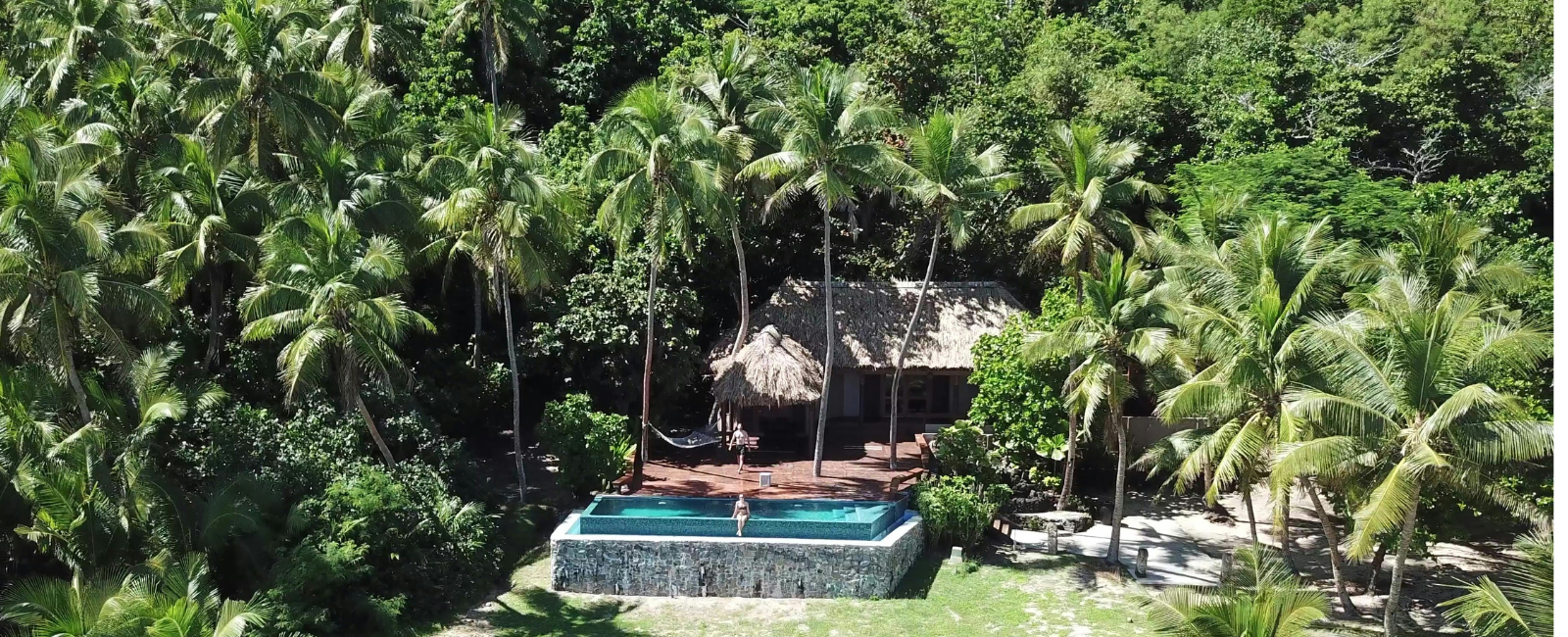
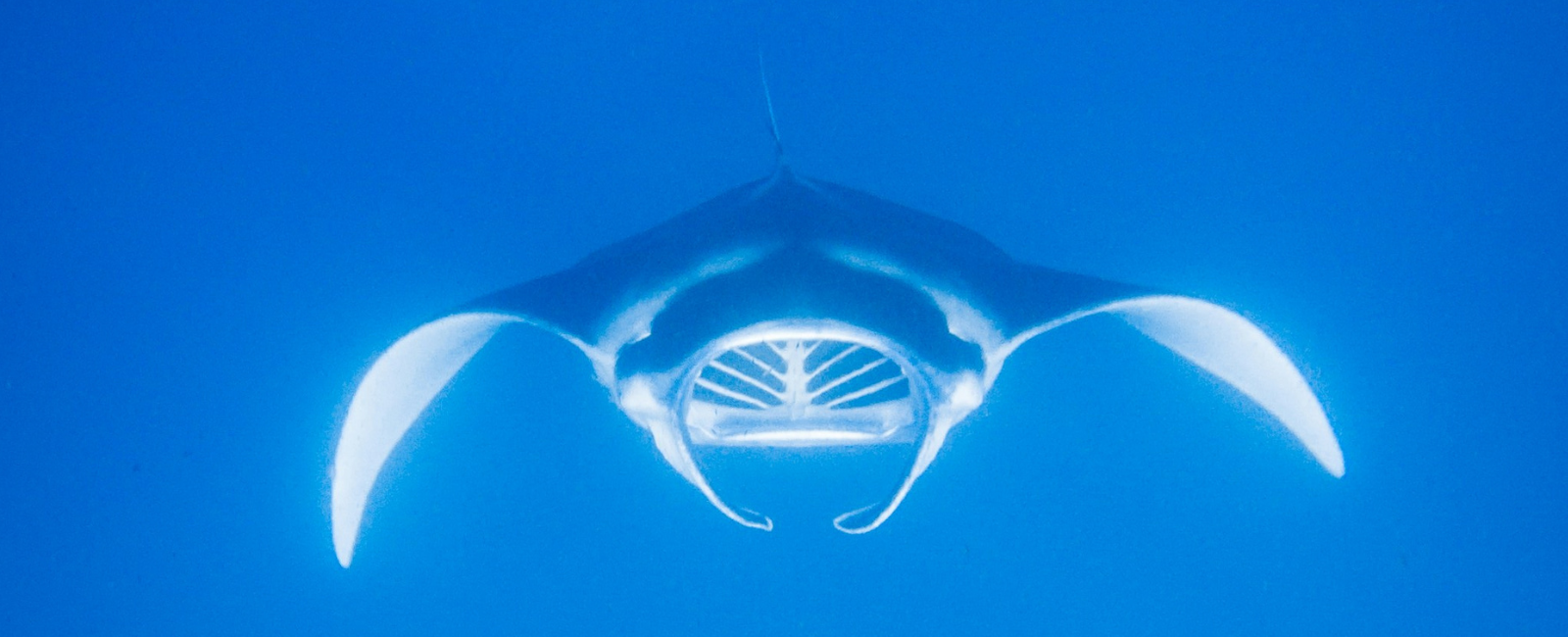
Fiji’s weather is relatively consistent for temperature during the year, about 26–31 °C. Peak season for sunny weather and snorkel-loving travellers is typically in winter between May to October (dry season). It’s also the best time to see majestic water-winged manta rays in the reef protected turquoise water. Australians can usually grab a deal visiting during December and January summer holiday break but check the tropical cyclone reports during November to April (wet season).
Loosen your shoulders, there is no rush in Fiji. Fijians live by a laid-back pace, affectionately known as “Fiji time”. True culture enrichment is an invitation to participate in a kava (drink) or traditional lovo (underground cooking) ceremony. It’s the warm “Bula” family spirit of Fiji that feels relaxed and welcoming during every experience.
Locals take pride in protecting the pristine waters, rainforest and coral reefs that surround the islands. Visitors are encouraged to help protect these sensitive ecosystems during their stay. Look for Loloma Hour activities to contribute to conservation and sustainability during your stay.
Viti Levu is Fiji’s largest island and is considered the mainland. On its western side sits Nadi, home to Fiji's international airport. On the opposing south-eastern side of mainland island is the country’s capital city of Suva.
Upon arriving at the Nadi International Airport (NAN), visitors can decide whether to explore Nadi and Denarau first, or island-hop on a water taxi to the extended Fiji islands and settle on the beach. Base yourself in one area to reduce travel time, transit needs, and missing out on the art of stopping and embrace the relaxed rhythm of Fiji.
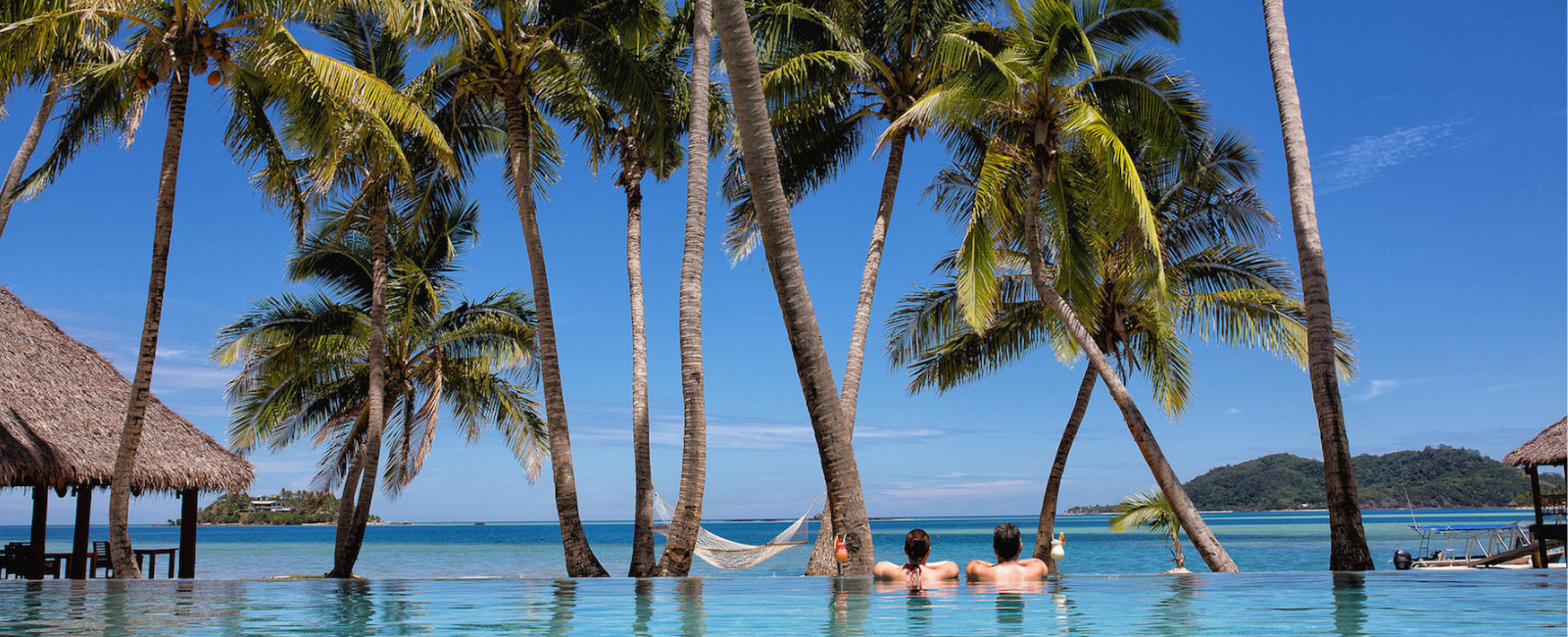
Nadi is a laid-back place to breathe in the island air, shake off any airplane haze, and ease into local time for your deserved tropical holiday. On average, new visitors wanting to hit relax-mode and sightsee around Nadi should spread out a few activities over three or four days. Remember that taking midday breaks and resting in between exploring is what island time is made for.
Get your #foodie filter ready. Satisfy your coffee cravings and appetite with local libations and nosh. Take your pick of regional farm-ingredient brunch favourites at Bulaccino Café, authentic Fijian dishes such as kokoda (ceviche) at Nadina Restaurant, or skip right to holiday indulgence mode and reserve your place to dine on smoked meats and cocktails at Vasaqa.
A slow-paced day looks like a 10-minute drive from Nadi to Garden of the Sleeping Giant. Wander this 20-hectare jungle wonderland while breathing in the scent of native Fijian flora including beach hibiscus and orchids. Join one of the daily guided tours of the garden property.
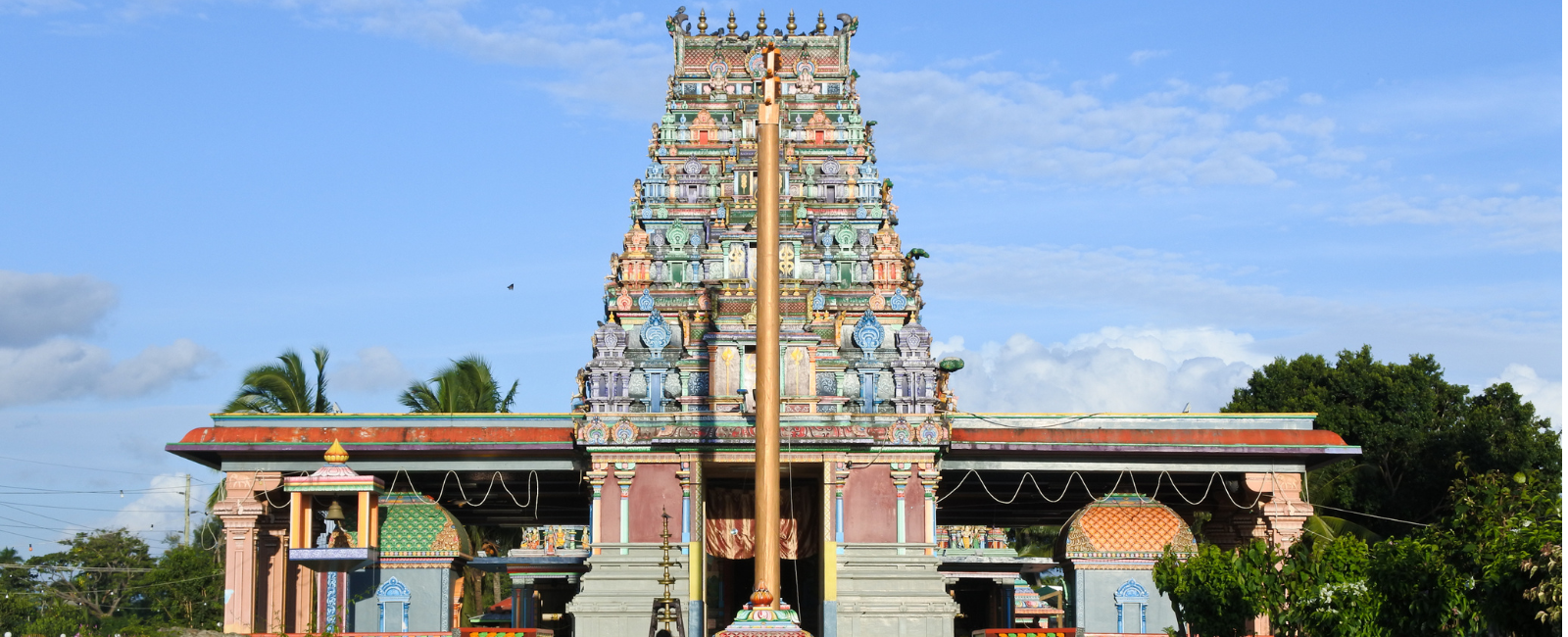
Immerse yourself as a traveller, not a tourist in the local history and colourful Fijian culture. The brightest and largest Hindu temple in the Southern Hemisphere, Sri Siva Subramaniya Swami Temple, displays its Dravidian architecture with vibrant, intricate wood and stone carvings. Many resorts will host a kava ceremony. Locals make this earthy drink from the dried and pounded root of a type of pepper plant and can cause mildly sedative effects. Island time!
Craft markets on weekends are bursting with local artisan souvenirs such as kava bowls, woven mats, intricately printed tapa cloth, and shell jewellery.
Pack at least two swimsuits. You'll be glad you did. One for the salty ocean and one for Sabeto’s Hot Springs and Mudpools. Nothing fancy about a messy fun time with the rejuvenating effects of warm mineral waters and soothing, rich thermal mud.
Sleeping Giant Zipline Fiji gets the heart racing with seven zips, ranging from 80m to 160m over a combined 700m through rainforest, waterfalls and maybe catching a bug in the teeth. Book ahead if you don’t have flexibility on dates.
Bike buffs have options for solar-powered rail bike tours. An hour’s drive from Nadi is EcoTrax Tours, where innovative solar electric cycles on rails traverse untouched sugarcane tracts of the famous Coral Coast over a three-hour experience. Want to blaze your own island path? Pedal at your own pace through paradise with iBike Fiji. Either way, have your camera charged as the scenery within the mangroves, coastline and village stops is what reels are made of.
Shake off the beach blanket and get closer to Denarau Island. Known as the gateway to island-hopping from Viti Levu, this is where island transfers to surf and sand happen. Stay for the day in Port Denarau area before transferring or book a five-star hotel experience at one of many internationally recognised resort brands. If you’re travelling with children, the inflatable and obstacle course water park, kids’ club, and family activities at the resorts are an accommodation all-in-one.
Venturing off the main island requires a little planning. It’s a choose-your-ocean-adventure pick of privately-owned overnight resorts, adult-only island clubs, day trip cabana islands, food cocktail bars, snorkel launch points, and more.
The Mamanuca Islands are Fiji's most accessible island group and feature on almost every Fiji itinerary. Picture coastal beaches, dreamy lagoons protected by coral reefs, and five-star cabana day resorts for steeping in holiday bliss. Reach the islands in less than an hour by ferry or in around 10 minutes by helicopter from Port Denarau.
Consider staying two to three days on one of the privately-owned or luxury resort islands to save the daily water-taxi travel. Popular options for hotel and resorts are on Malolo Island or Matamanoa Island.
Ranging from not lifting a finger to having an adrenaline rush, here are top-rated experiences in the Mamanuca Islands:
Trade in your land lounger for a cabana on the ocean. Cloud 9 floating bar is one of the dining experiences situated amongst the Malolo Barrier Reef. Slushy cocktails, local beer, and wood-fired pizza are just some of the choices on the above-ocean menu
Seventh Heaven Fiji is another floating pontoon party equipped with a 5m high “Leap of Faith” diving platform, located at the BULA Reef. You’ll be sending a “Wish You Were Here” postcard after coastal bevvies, seafood, and an all-day DJ mix
Flight time is approximately 3 hours 30 minutes