

Changed
Changed
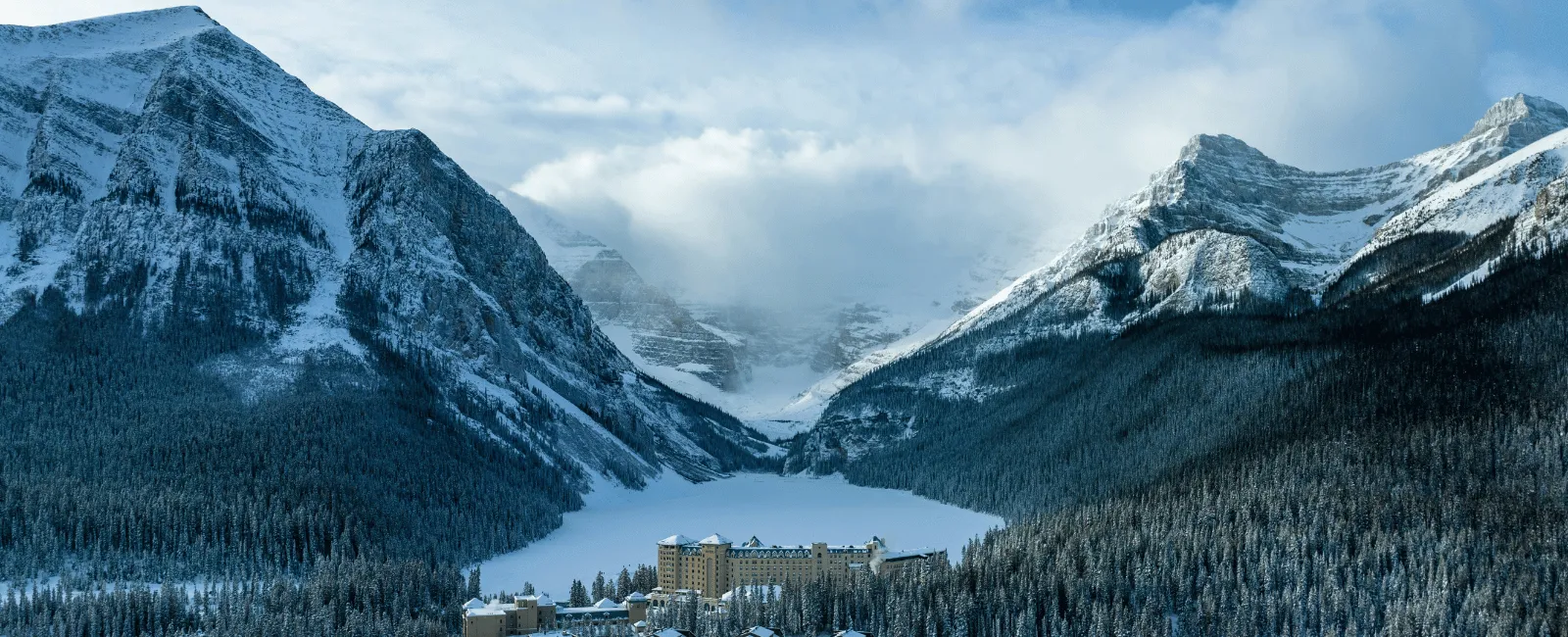
There’s no doubt that Canada is one geographically stretched, beautiful country that Aussies love to visit. The idea of swapping plastic thongs and hot Brisbane beaches for a down-filled puffer coat, beanie (affectionately called a tuque) and wool-lined winter boots sounds like a welcome summer exchange. With a proper neck pillow, binge-worthy series and some compression socks, the 13.5-hour direct flight from Brisbane to Vancouver is all that separates your winter adventure.
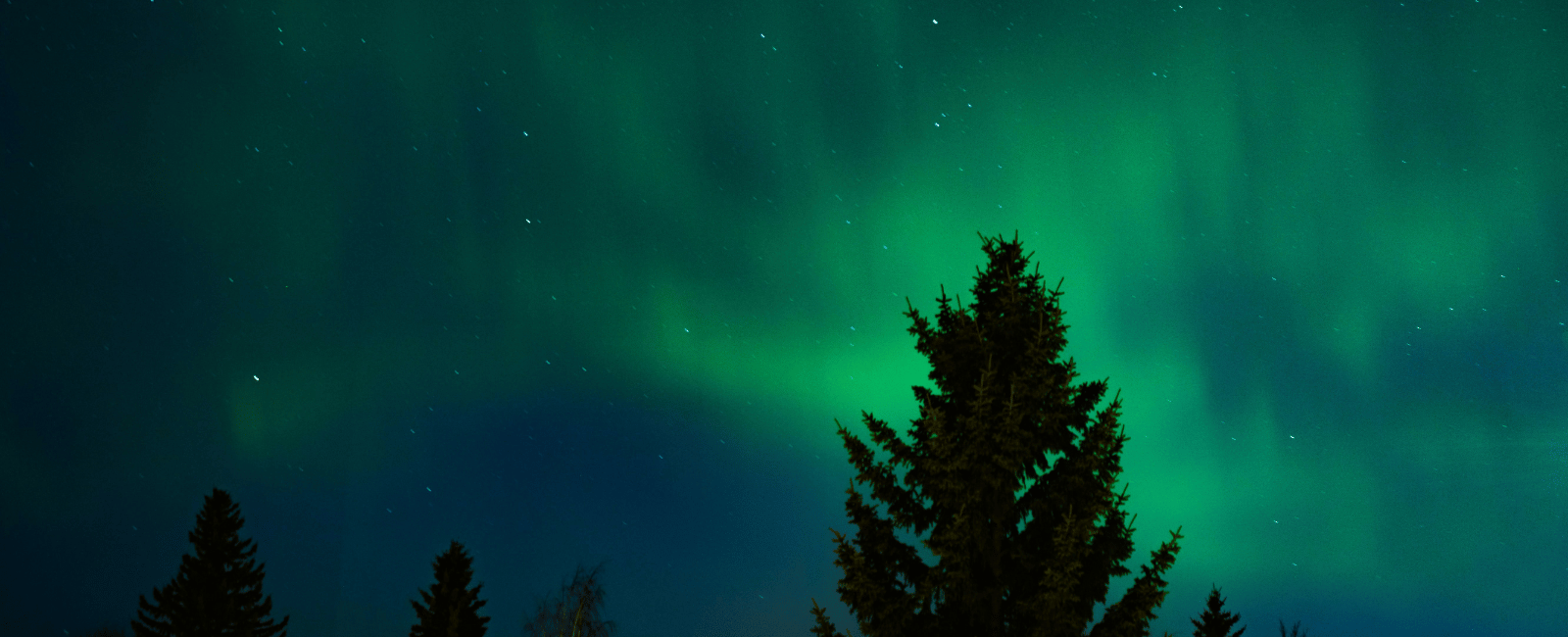
To ensure your chances of piles of snow and a proper cold climate, visit from January to March. Historically this is also the best potential time for peak viewing of the northern lights (aurora borealis), thanks to the longest hours of darkness and crisp weather keeping the skies clear.
In true Canadian fashion, an apology. For this winter recommendation, the east covers Ontario and Quebec, while the west is limited to British Columbia (BC) and Alberta. Canada is the second-largest country in the world by total area, so this blog prioritises more time exploring and less time travelling. All that is to say - you’ll just have to plan a second visit.
The question is, if you had to choose, which part of Canada would you make a snow angel in?
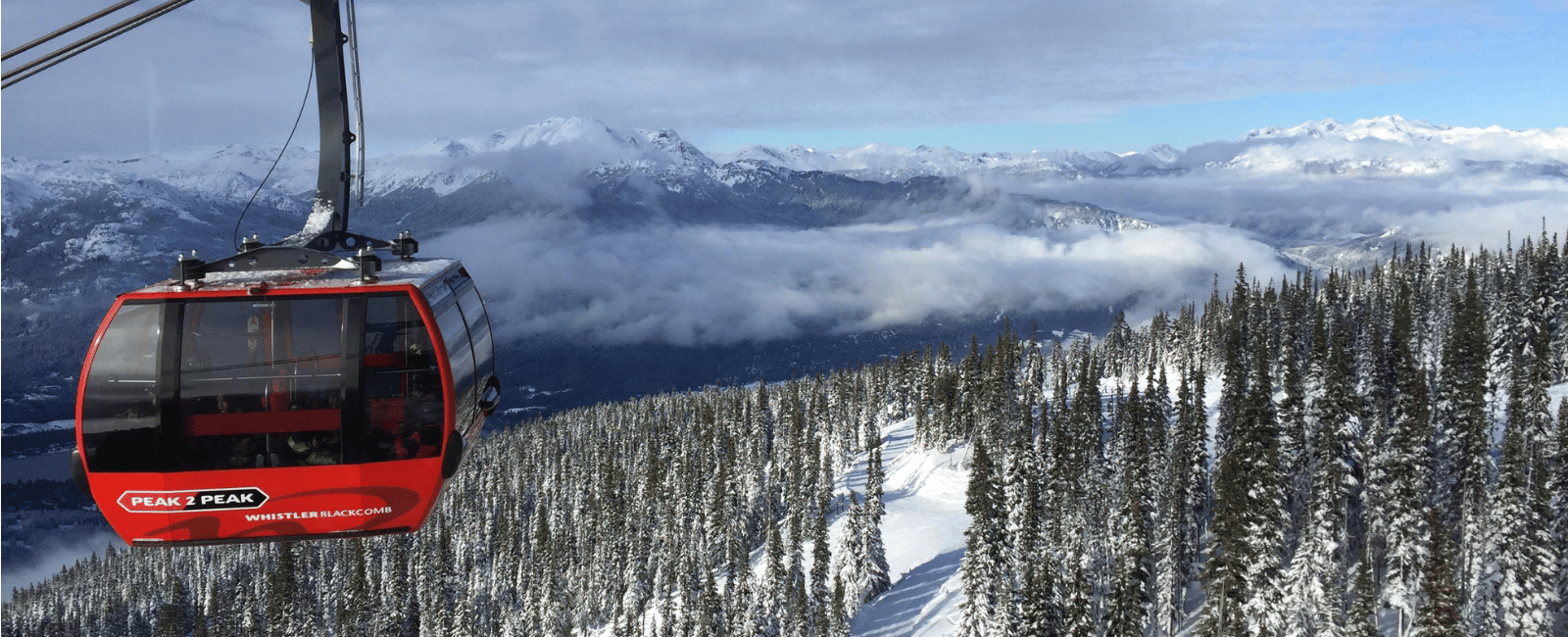
Winter on the West Coast is milder than in the east, leading to lengthier outdoor adventures against the backdrop of postcard mountains.
If Vancouver, BC, is your first destination after landing, don’t be disappointed by the lack of fluffy snow in the city. Winter typically brings cloudy skies and rainy days, with temperatures averaging between 0–8°C. Many of the activities and locations described in the First-timer’s guide to Vancouver also have a winter spin. Thanks to Vancouver hosting the 2010 Winter Olympics, visitors looking for a skiing or snowboarding experience can plan time at Grouse Mountain or drive just two hours to Whistler, BC to get their exhilarating fill of the white stuff.
Speaking of Olympic athleticism, get an adrenaline rush by booking the Passenger Bobsleigh Experience at the Whistler Sliding Centre and see for yourself what forces of up to 4G and over 125km/h do to your heart rate.
Take the winter driving stress out of your holiday by booking a domestic flight from Vancouver to Calgary, Alberta. Alternatively, stretch out the journey and turn the trip between provinces into the ultimate sightseeing tour aboard VIA Rail’s Best of the Canadian Rockies winter train trip.
Pinch yourself, Banff National Park is real! The town of Banff, nearby Lake Louise and the glacial blue frozen lakes are the muse of many mountain photographs that deserve the accolades. Are your ski boots tingling after Whistler? Choose between these three first-rate Alberta ski resorts within an hour of Banff: Mount Norquay, Banff Sunshine Village and Lake Louise Ski Resort.
Not a skier? This pinnacle playground has plenty of winter activities that will immerse you in the sparkle of the season. Mush your way through the quiet wilderness of an UNESCO World Heritage site, bundled up as a passenger on a multi-dog sled team. Visitors who want to blaze their own trail with little fuss can join a guided snowshoeing tour through the serene mountain landscape.
What’s a visit to the snow without a relaxing stop at one of Canada’s hot spring pools or Nordic spas? Take your pick from Harrison Hot Springs (Vancouver), Scandinave Spa Whistler, Banff Upper Hot Springs, or the hydrotherapy of Nordic Spa Kananaskis.
Visitors to Alberta will often enter and exit through the province’s largest city, Calgary. An itinerary could span one night or several days, with plenty of museums, shopping, and dining experiences to choose from. If you’re short on time, make your way to Calgary’s CBD to enjoy dinner on Stephen Avenue, and head to the top of the Calgary Tower. Take in the wintry city views with mountains in the distance, then catch a provincial rival hockey game between the Edmonton Oilers and Calgary Flames. Canadians do not apologise for cheering loudly.
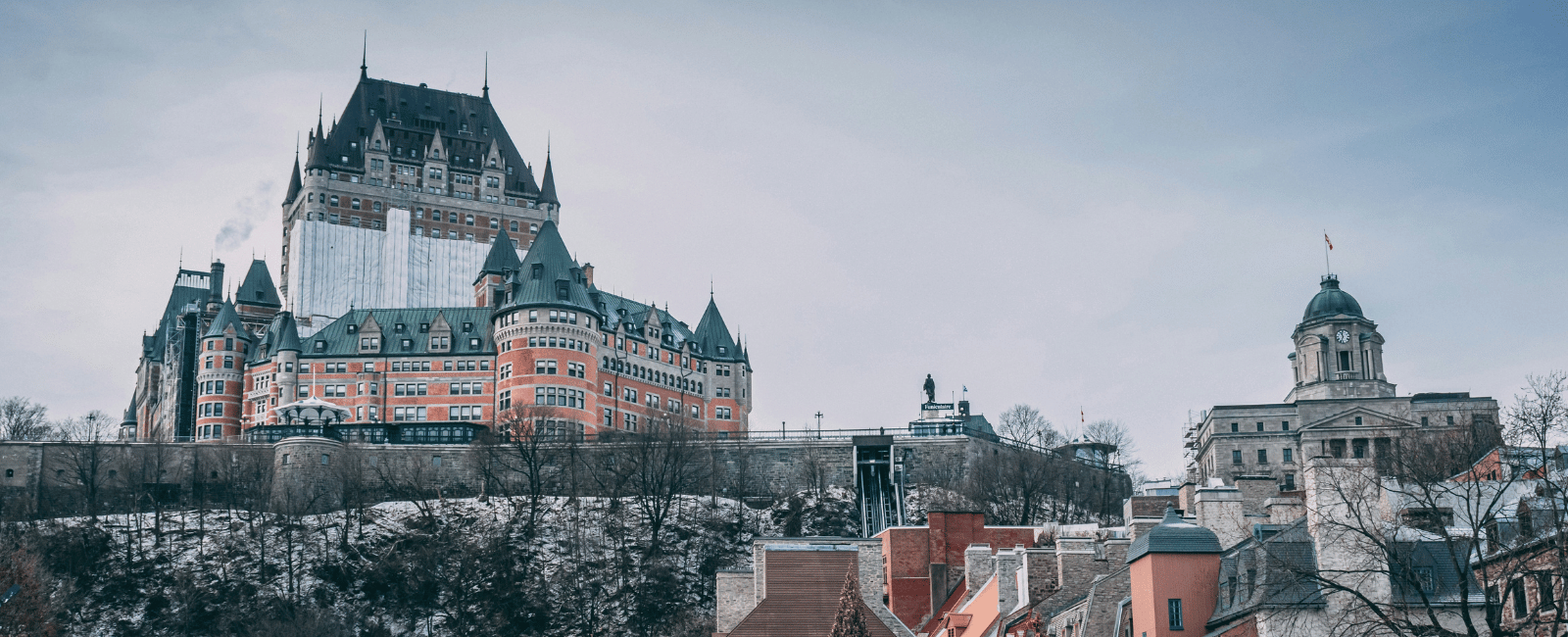
Ontario and Quebec are rich in old-world heritage worth braving the frigid temperatures to explore. In under five hours from Vancouver or under four hours from Calgary, you’ll want to zip up your jacket as you land in Canada’s capital city, Ottawa.
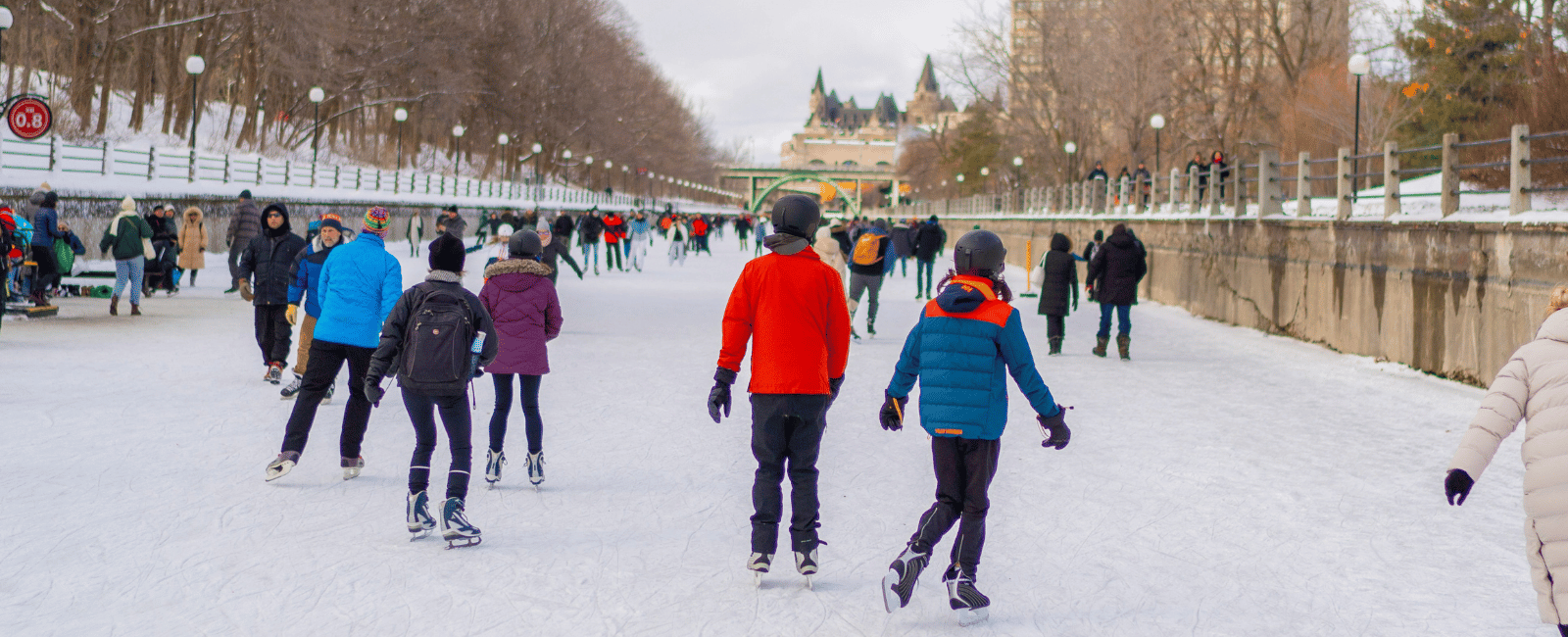
Ottawa’s wintry charm comes with snow-covered historical landmarks and dining precincts such as Parliament Hill and ByWard Market, plus Winterlude, a winter celebration and ice-carving festival held each February. Ice skating alongside hundreds of people on the UNESCO World Heritage-listed Rideau Canal Skateway is the ultimate “wish you were here” moment.
Exploring in winter can be exhausting. Cross into neighbouring Gatineau for an indulgent hot sauna and spa reprieve at Nordik Spa-Nature Chelsea.
Quebec is Canada’s largest predominantly French-speaking province. Take a few days to travel between Ontario and Quebec, watching the snow-covered landscapes pass by on a passenger train journey. Guided tours along the way will introduce you to Canada’s rich history.
Montreal’s cobblestone streets and architectural landmarks, including the 17th-century Notre-Dame Basilica and 19th-century Bonsecours Market, are “quelque chose à admirer” (something to behold). Rugged up in a cosy jumper with a glass of French-Canadian wine in hand, Montreal’s food scene is the perfect place to try traditional comfort foods such as poutine (French fries and cheese curds with gravy), tourtière (meat and potato pie), French onion soup and pouding chômeur (vanilla cake with maple sauce). After a day of exploring, visitors may even have the chance to see two of the NHL’s oldest teams, the Montreal Canadiens and Toronto Maple Leafs, go head-to-head.
Quebec City is North America’s last fortified city, home to the annual Quebec Winter Carnival each February in and around Old Quebec. Festival highlights include extreme canoe races, ice and snow sculptures, traditional French-Canadian music, plenty of food and beloved snowman mascot Bonhomme Carnaval. Add an extra icy twist by booking a night and sipping signature cocktails at North America’s only ice hotel, Hôtel de Glace. Visiting outside of festival time? Quebec City’s European vibe is best explored with your warmest tuque and hot chocolate. Walk the narrow streets of the Petit Champlain District or Place Royale and take in bistros, French shopping and a community that feels like a snow-coated architectural fairytale. Bon voyage!
Direct flights from Brisbane to Vancouver are approximately 13 hours 30 minutes